
Light After Darkness: Why Diwali 2026 Matters for Hindu Americans
Diwali 2026 arrives as Hindu Americans celebrate growing recognition in American public life while also confronting hatred directed at Hindu communities and places of worship. The festival of lights offers a timeless answer: courage, community, seva, and the choice to shine.
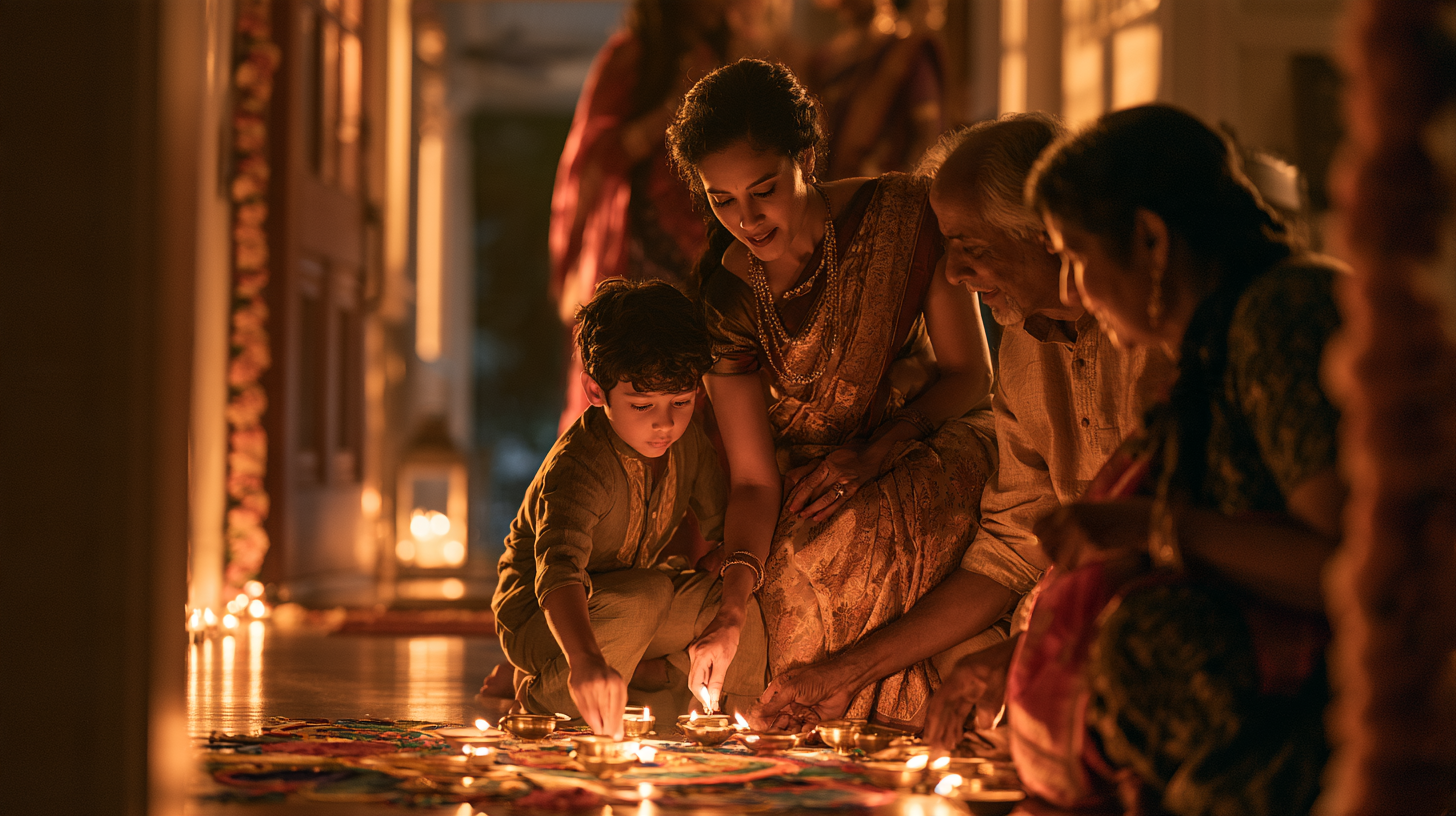
Diwali has always been more than a festival of lamps, sweets, and family gatherings. In 2026, as Hindu Americans prepare to celebrate Diwali on Sunday, November 8, the festival carries an added weight: it arrives at a time when our communities are celebrating visibility in American life while also thinking seriously about safety, belonging, and resilience.
Diwali teaches us that light is not the absence of darkness. It is the deliberate choice to kindle a flame within it.
A Festival With Deep Meaning
Diwali, also called Deepavali, is observed over five days, from Dhanteras through Bhai Dooj. In 2026, the main day of Lakshmi Puja falls on Sunday, November 8.
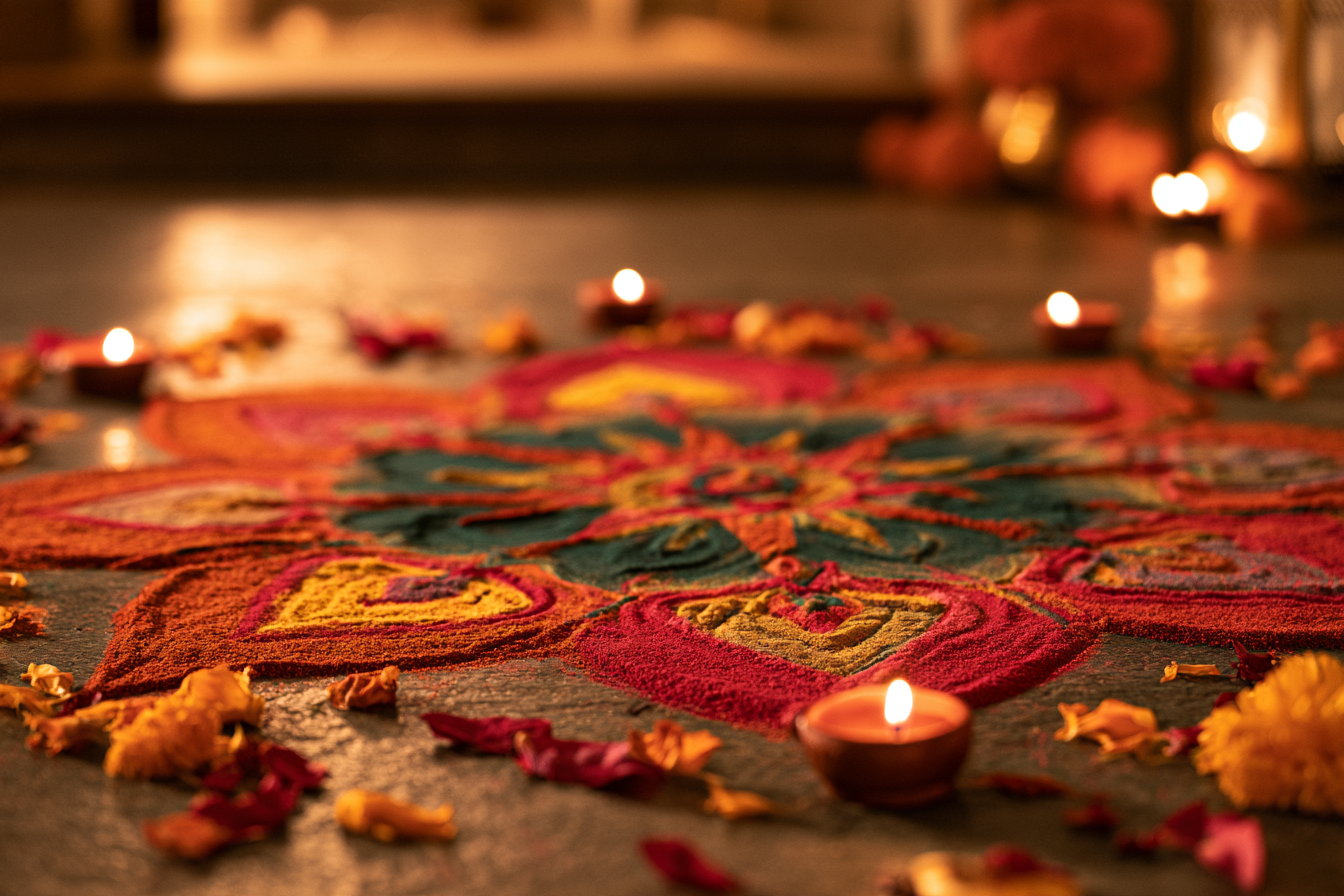
At its heart, Diwali celebrates the triumph of good over evil, knowledge over ignorance, and hope over despair. Homes are cleaned and decorated, rangolis are created at doorways, diyas are lit, families share prasad and meals, and communities gather for puja, music, and celebration.
For Hindu American families, Diwali is also a moment to pass values to the next generation: gratitude, discipline, generosity, respect for elders, devotion, and responsibility toward community. A child may remember the sweets and sparklers, but the deeper lesson is this: even a small diya can change the atmosphere of an entire room.
Diwali Is Becoming Part of American Life
Hindu Americans no longer celebrate Diwali only within homes and temples. The festival is increasingly visible in schools, workplaces, city halls, and national culture.
This year, the United States Postal Service will issue a new Diwali Forever stamp on October 21. The stamp features a rangoli, honoring a tradition associated with good fortune and welcoming auspiciousness into the home.
Local recognition is growing as well. East Brunswick, New Jersey, recently recognized Hindu Heritage Month, honoring the history, traditions, cultural contributions, and heritage of Hindu Americans. These moments matter. They tell Hindu American children that their traditions are not foreign additions to America—they are part of America’s evolving story.
A diya does not deny the darkness. It chooses to shine within it.
Darkness Is Real
This Diwali season also reminds us that visibility can bring vulnerability.
Authorities in Illinois arrested a 19-year-old man accused of planning a mass shooting at a Hindu place of worship in the Aurora area. Prosecutors said the suspect held white supremacist and neo-Nazi beliefs, and that his rifle jammed during the alleged attempt. A coworker’s report helped authorities intervene.
The alleged attack was prevented, and that is a relief. But it should not be treated as a reason to relax. Hindu Americans deserve to attend puja, bring their children to temple classes, celebrate festivals, and gather as a community without fear.
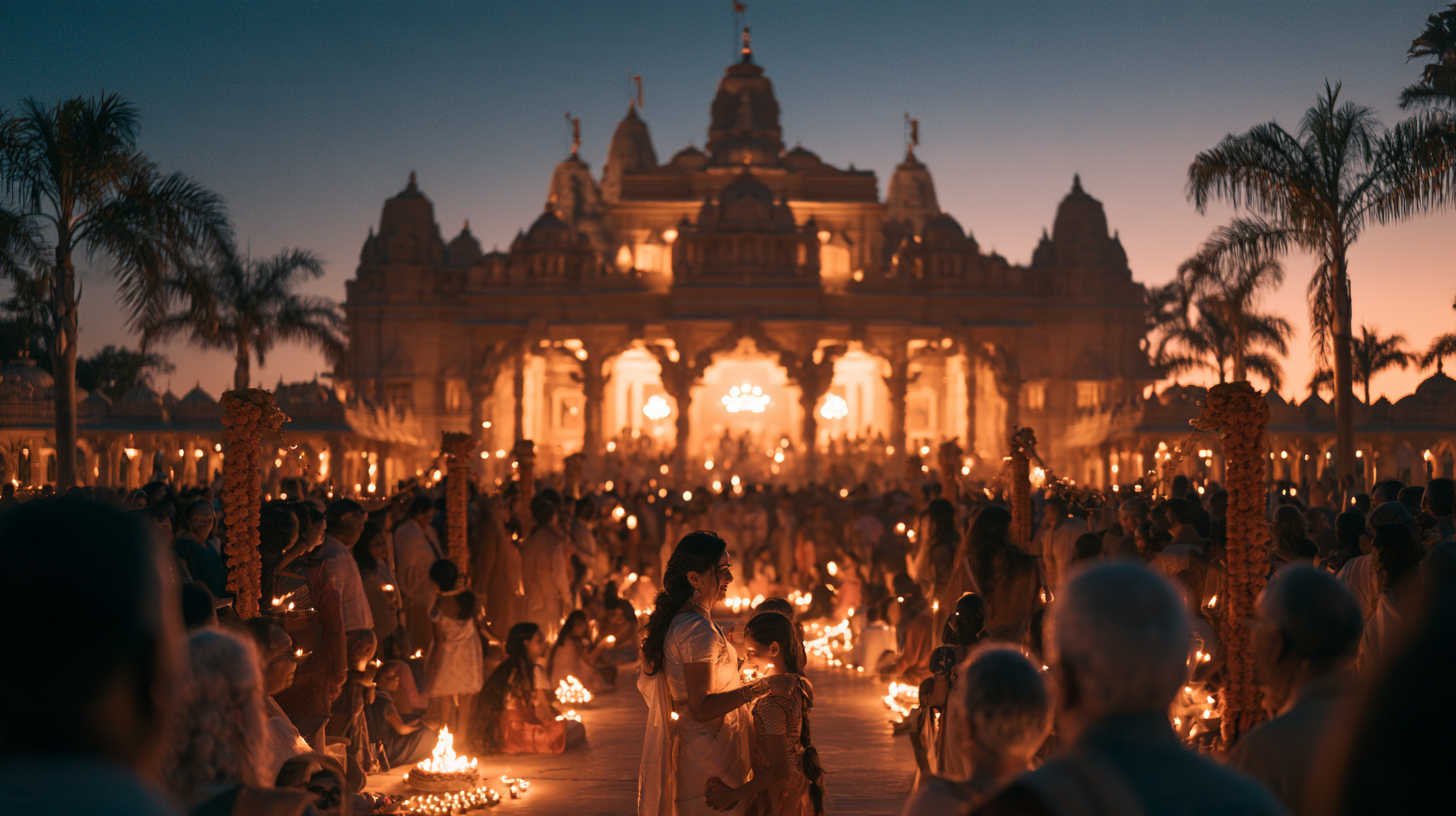
Advocacy organizations have urged temples and devotees to remain alert and report threatening messages or concerning behavior. In this climate, Diwali’s message becomes more than a seasonal reminder. It becomes a call to protect the sacred spaces where our families learn, pray, serve, and belong.
The Dharmic Response
Dharma does not ask us to meet hatred with panic, silence, or hatred of our own. It asks us to remain grounded in truth, protect one another, strengthen community, and act with courage.
For Hindu American families, that response begins at home. We can teach children that their traditions are not something to hide or apologize for. We can explain why we light diyas, make rangolis, visit the mandir, and share food with neighbors. When children understand the meaning behind a practice, they are better prepared to face questions, stereotypes, or ignorance with confidence rather than shame.
At the community level, the response must be practical as well as spiritual. Temples and cultural organizations can review entrances, exits, parking areas, lighting, emergency contacts, and communication plans before major gatherings. Community members can stay aware, look out for elders and children, and report threatening messages, suspicious behavior, vandalism, or potential threats to temple leadership and law enforcement. In an immediate emergency, call 911.
Vigilance should never become suspicion toward people because of their appearance, religion, or background. Its purpose is to protect the community through credible observation, preparation, and timely reporting.
Seva Is Our Strength
Diwali also offers an opportunity for dana—charitable giving—and seva—selfless service. Alongside cleaning our homes and preparing for celebrations, we can make room for generosity and care for our neighbors.
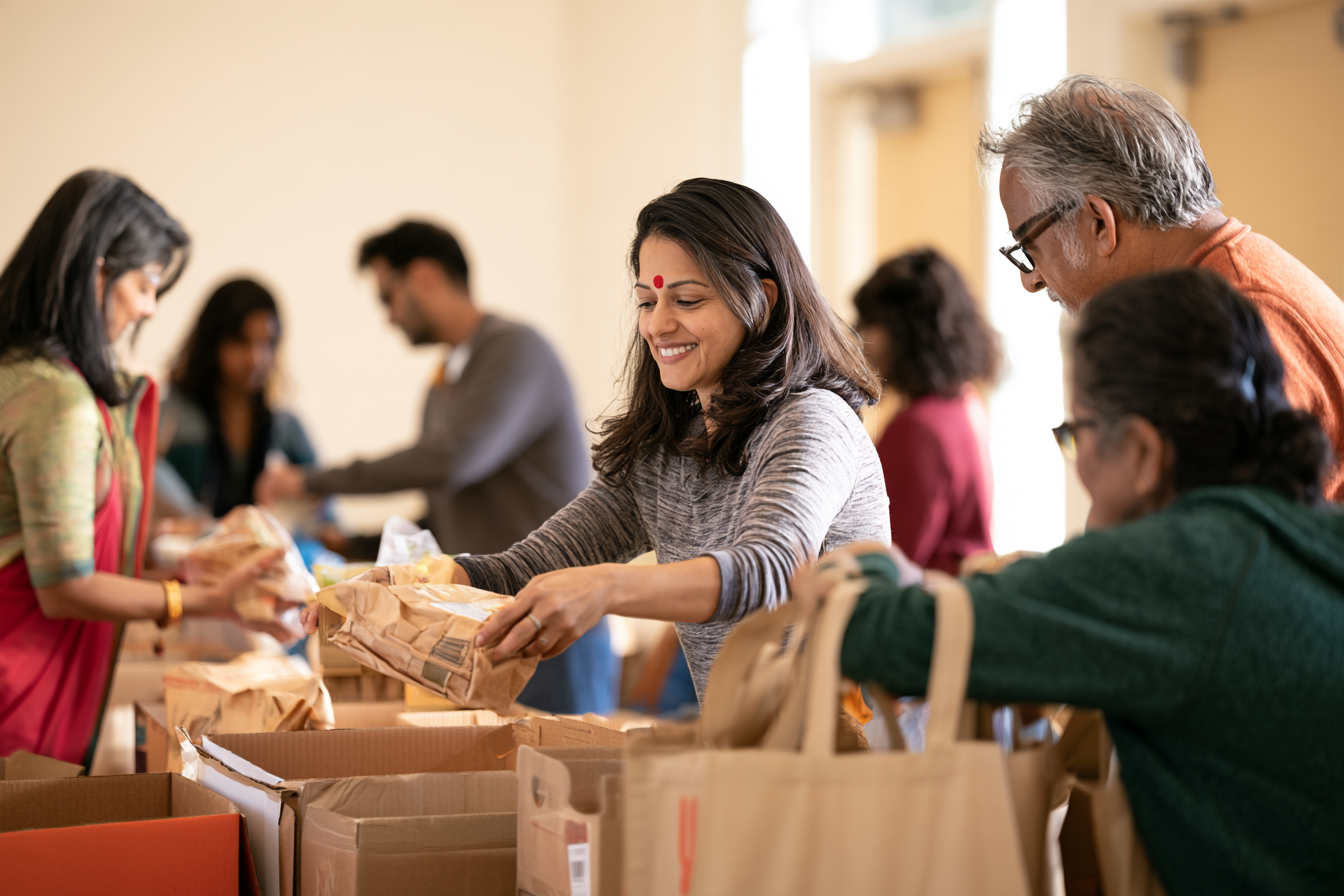
That practice offers a powerful answer to fear. When Hindu Americans serve their local communities—through food drives, blood drives, disaster relief, tutoring, interfaith partnerships, or support for local nonprofits—we demonstrate that Dharmic values are not limited to the home or temple. They produce visible good in the wider American community.
Seva also changes how our children understand identity. A child who helps pack meals, visits an elderly neighbor, or participates in a community cleanup learns that being Hindu American means more than preserving rituals. It means accepting responsibility for the well-being of others.
A Family Practice for 2026
This year, consider adding one simple practice to your Diwali celebration:
It might be calling a grandparent, inviting a classmate to a celebration, donating food, volunteering at the temple, welcoming a new neighbor, or speaking respectfully when someone repeats a stereotype. The practice takes only a few minutes, but it turns Diwali from a single day of celebration into a living family tradition.
The Light We Carry Forward
Diwali 2026 arrives at a meaningful moment for Hindu Americans. Our festivals are gaining recognition in American public life, while our communities are also being urged to remain alert and prepared in the face of threats.
That contrast is exactly why this Diwali matters.
Let us celebrate with joy—but also with purpose. Let us decorate our homes, visit our temples, share our culture, and teach our children. Let us also protect one another, support our mandirs, build relationships with neighbors, and make clear that Hindu Americans are here to contribute, pray, serve, and belong.
A diya does not deny the darkness.
It chooses to shine within it.
Pingback: Diwali Beyond the Diya: Teaching Children the Story and Meaning of Diwali - Dharmik America