
America250 · History & Civic Life
Two Hundred Fifty Years of “We the People”: Hindu Americans and the Story of America250
On July 4, 2026, the United States marks 250 years since the signing of the Declaration of Independence. For Hindu American families, the question at the heart of that milestone — what does this country mean to me, and what do I owe it going forward — is not a new one.
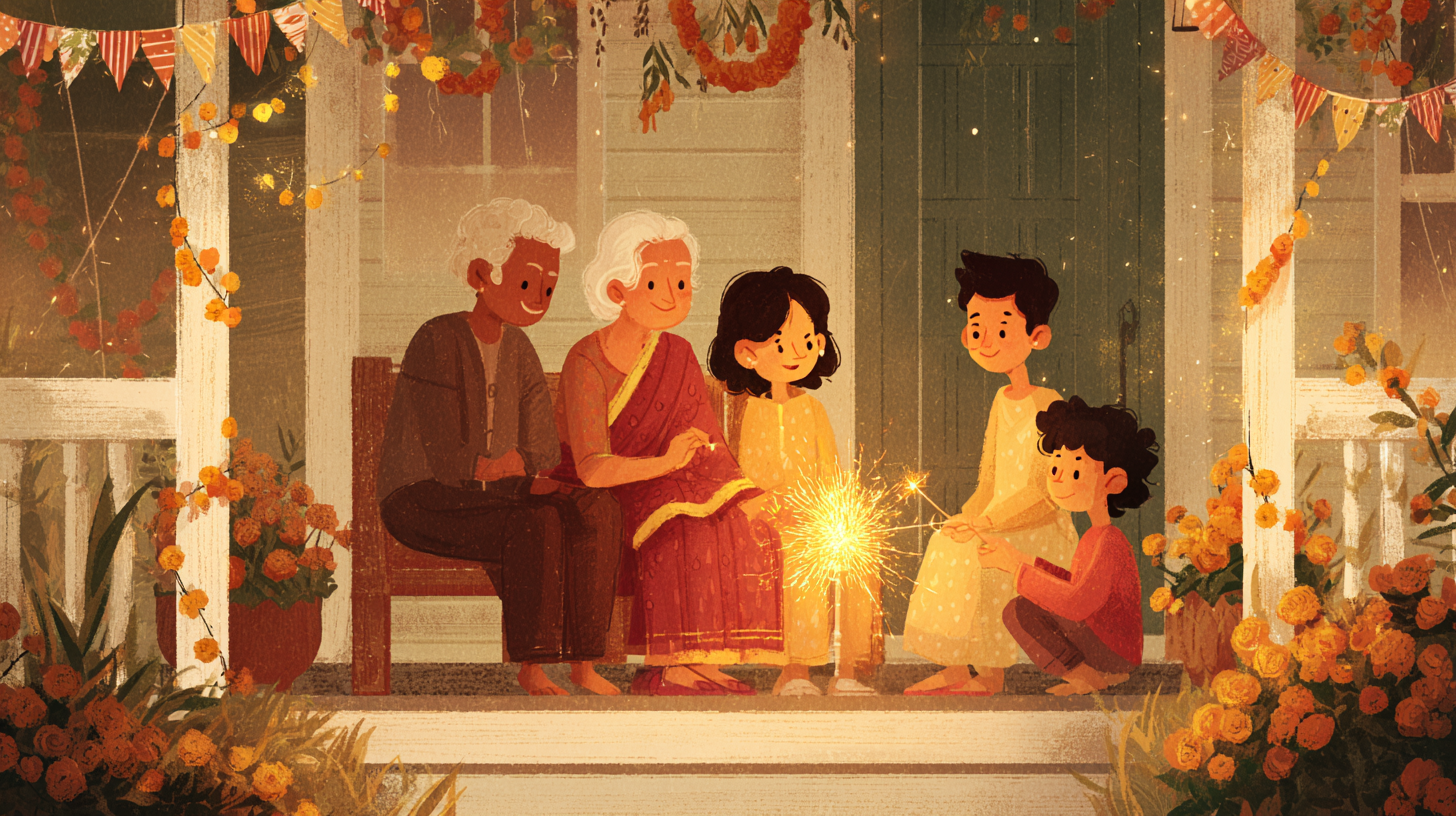
On July 4, 2026, the United States marks 250 years since the signing of the Declaration of Independence — a milestone the nation has been building toward for more than a year through America250, the congressionally chartered Semiquincentennial Commission, alongside parallel efforts like the White House’s Freedom 250 initiative. Parades, mobile “Freedom Truck” museums, a nationwide volunteer drive called America Gives, and a communal meal called America’s Potluck on July 5 are all part of a yearlong invitation for every American to ask the same question: what does this country mean to me, and what do I owe it going forward?
For Hindu American families, that question is not a new one. It is one our community has been answering, quietly and consistently, for over two centuries — long before most of our grandparents ever set foot on this soil.
A Conversation That Started Before There Were Hindu Americans to Have It
It is a little-known fact that Hindu philosophy entered the American imagination almost as early as the republic itself. In 1813, John Adams — one of the Founders and the young nation’s second president — wrote to Thomas Jefferson about his admiration for what he understood of the Hindu concept of one eternal, formless God: a Universal Sphere, without beginning, without end. Jefferson, for his part, took a scholarly interest in Indian literature. Neither man had Hindu neighbors or a temple down the street; their exchange happened almost entirely through the filter of translated texts and secondhand accounts. But the fact that two architects of the American experiment were, in their own imperfect way, in dialogue with Dharmic ideas about divinity in the same era they were debating liberty and self-governance is a detail worth holding onto.
That thread continued through the nineteenth century. The Transcendentalists — Emerson and Thoreau chief among them — read the Bhagavad Gita and wove its ideas about duty, detachment, and the unity of the self with the universal into some of the most influential American writing of their time. Then, in 1893, a young monk named Swami Vivekananda stood before the World’s Parliament of Religions in Chicago and opened with four words that are still remembered: “Sisters and Brothers of America.” His address introduced Hinduism to a mass American audience for the first time and planted the seeds of the Vedanta societies that would follow.

The Generation That Believed the Revolution’s Promises Applied to Everyone
By the early twentieth century, immigrants from the Indian Subcontinent working the fields and mills of the Pacific Coast were reading the Declaration of Independence and the story of the American Revolution and drawing their own conclusions. Many of the students and laborers who founded the Gadar Party in 1913 were explicitly inspired by the ideals of the American Revolution, using the language of liberty they encountered here to fuel a movement for India’s own independence back home. Some paid for that conviction with prison sentences, denaturalization proceedings, and years of exile. It is a sobering reminder that the promises of 1776 were not extended evenly or immediately — and that generations of people from the Indian Subcontinent believed in those promises enough to fight for them anyway, in two countries at once.
It would take until the Immigration and Nationality Act of 1965 for the doors to open in a lasting way, allowing the wave of Hindu families — professionals, students, and entrepreneurs — who built the temples, cultural associations, and civic organizations that define Hindu American life today. In 2014, the Smithsonian’s “Beyond Bollywood: Indian Americans Shape the Nation” exhibition told part of that story to the nation at large, tracing contributions across medicine, technology, public service, and the arts.
Where We Stand at 250
Today, Hindu Americans are doctors and members of Congress, engineers and school board members, small business owners and startup founders, temple volunteers and PTA presidents. We are, in the fullest sense, part of the “every American” that America250 is asking to participate in this commemoration. The Commission’s stated goals — reflecting on the past, honoring the contributions of all Americans, and looking toward the next 250 years — are not abstractions for our community. They describe exactly the work Dharmik families do every day: honoring what came before through smriti and tradition, and building toward the future through seva.
Several parts of the 2026 commemoration offer natural points of entry:
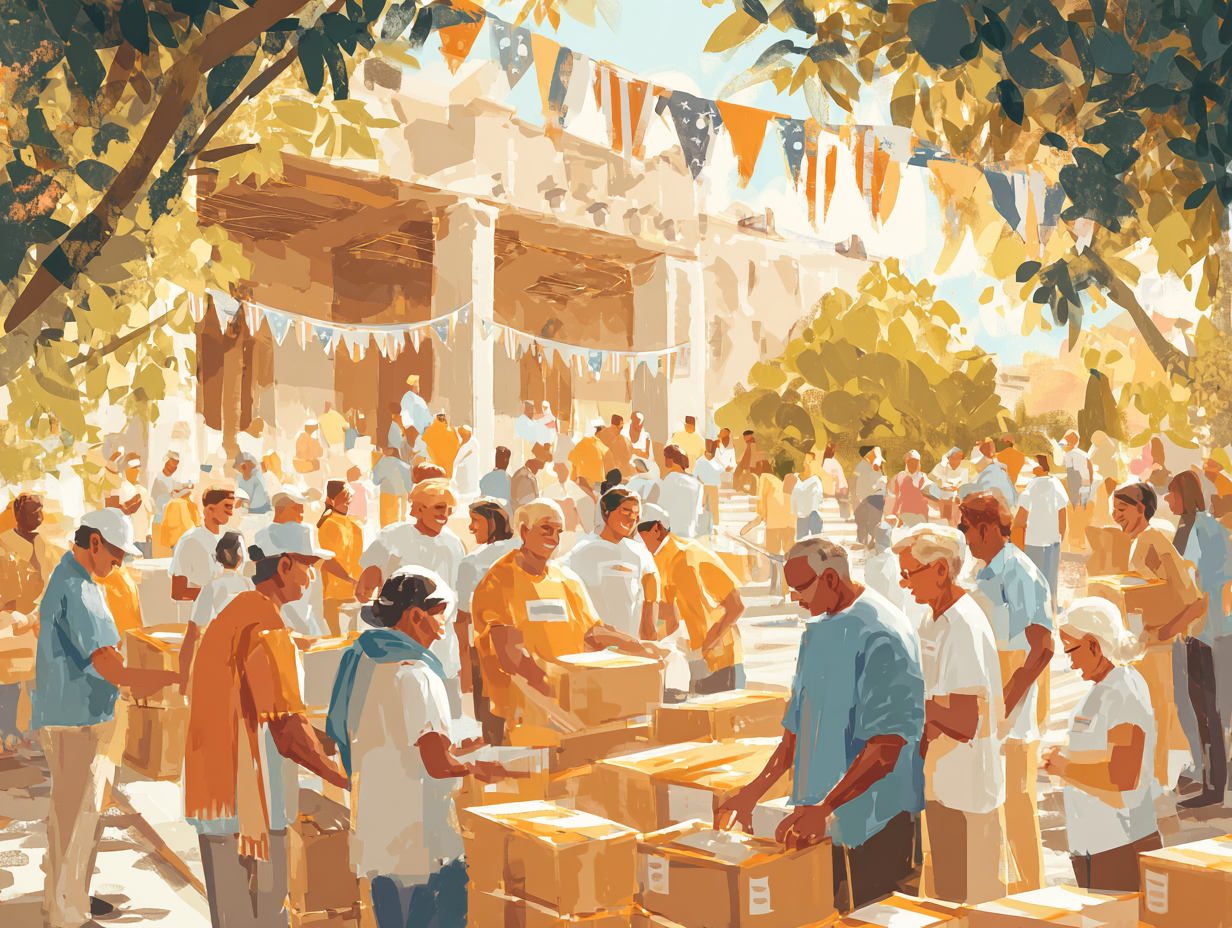
- America Gives, the national volunteering initiative aiming to record the highest number of service hours in U.S. history, is a direct match for the Hindu value of seva. Temple-organized food drives, tutoring programs, environmental cleanups, and elder-care visits can all be counted toward this national effort.
- America’s Potluck, held July 5, 2026, the day after the Semiquincentennial, invites neighbors and community groups to share a meal together. Few communities do communal, generous hospitality quite like ours — a temple or family hosting a potluck that introduces neighbors to Indian Subcontinent cuisine while celebrating the nation’s birthday is a small, meaningful act of bridge-building.
- America’s Field Trip, which asks students across the country what America means to them, is a natural assignment for Hindu American kids and teens to answer in their own words — and a worthwhile conversation for any Dharmik family to have around the dinner table this summer.
- Local and state America250 commissions, along with events like the Smithsonian’s “Our Shared Future: 250” programming, are hosting exhibitions and public programs nationwide through the rest of the year, many free and open to families.
Why This Matters for the Next Generation
None of this history erases the real and painful chapters — the exclusion laws, the denaturalization cases, the decades when people from the Indian Subcontinent were told this country’s promises did not apply to them. A full account of Hindu American belonging has to hold both truths: that this nation’s founding ideals inspired our ancestors long before we were welcome to fully claim them, and that we are here now, building, voting, serving, and celebrating as full participants in the American story.
That is worth teaching our children directly, not just implying. Two hundred fifty years in, the question America250 is asking every household to sit with — what does this country mean to you, and what will you give back to it — is one Hindu American families are especially well equipped to answer, because it is a question our tradition has always asked in its own words: what is your dharma, here, now, in this place you call home?
Dharma Diaries · Ages 7–18

This summer, as America turns 250, here’s a project to try with your family or friend circle: pick one America250 event near you — a local parade, a museum exhibit, or America’s Potluck on July 5 — and go. Afterward, write a few sentences (or ask a parent to help younger siblings) answering the same question America’s Field Trip is asking students nationwide: What does America mean to me? Bring your answer to your next Dharma Diaries reading circle to share. Bonus seva challenge: log a few hours of community service this month and count it toward the national America Gives volunteer effort — your temple or Hindu student association may already have a project you can join.